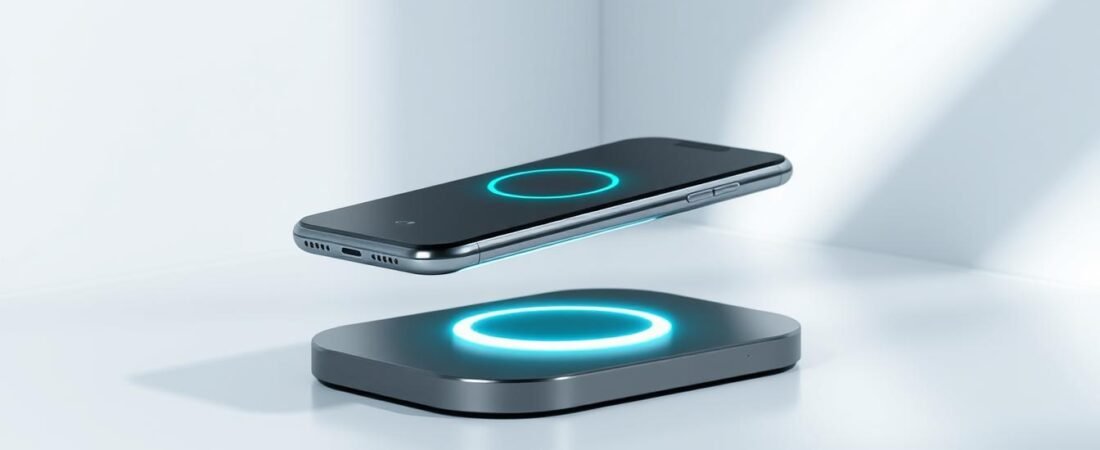
Imagine a world where your phone has no charging ports or cables. Everything happens through the air. This isn’t science fiction anymore.
We’re entering an era where wireless technology takes center stage. Major manufacturers are pushing toward completely portless designs. This shift promises cleaner aesthetics and greater durability.
These innovations mean better protection against water and dust. Your daily routine becomes simpler without cable clutter. Just place your device on a charging pad and power up.
We’ll explore how this technology works and what it means for you. From faster wireless charging speeds to seamless data transfer, the possibilities are exciting. Join us as we unpack this revolutionary step in mobile evolution.
Key Takeaways
- Portless phones use wireless technology for charging and data transfer
- This design offers better protection against water and dust damage
- Wireless charging eliminates cable clutter and simplifies daily use
- Major phone manufacturers are actively developing this technology
- Advancements in charging speed make wireless more practical than ever
- This represents a significant shift in smartphone design and functionality
Introducing The Future of Smartphones – No Charger, No Ports, Just Magic
USB-C once felt like the ultimate charging solution, but wireless tech is changing the game. This shift represents more than just convenience—it’s a fundamental redesign of how we interact with our devices.
The Shift from Wired to Wireless Charging Standards
For years, USB-C dominated as the universal wired standard. It offered fast power delivery and compatibility across devices. Manufacturers embraced this single-port solution.
Wireless charging has evolved dramatically. Early versions were slow and inefficient. Today’s technology delivers impressive charging speeds that rival wired connections.
Modern wireless chargers can power up devices almost as quickly as cables. This progress makes wireless a practical option for daily use. Users can simply drop their phone on a pad and walk away.
Manufacturers’ Exploration of Portless Designs
Major companies are seriously testing portless designs. Apple’s rumored iPhone 17 Air planned to eliminate all physical ports. This device aimed for an incredibly thin 5.5mm profile.
Removing ports isn’t just about aesthetics. It creates better protection against water and dust damage. Fewer openings mean fewer points of failure.
This approach could lower production costs for manufacturers. Savings might eventually benefit consumers through more affordable innovation. Companies can simplify internal design and assembly.
Industry movement toward minimalism is clear. Portless designs represent enhanced device integrity and cleaner aesthetics. Users gain seamless, drop-and-go charging experiences.
Wireless technology has moved from niche feature to mainstream option. The future points toward completely cable-free device ecosystems. This transition feels increasingly inevitable rather than merely possible.
Regulatory Landscape and Portless Phone Compliance
Legal frameworks often struggle to keep pace with rapid technological change. But sometimes regulations actually create space for innovation rather than restrict it. The European Union’s approach to charging standards demonstrates this perfectly.
We’ll explore how current laws accommodate completely wireless devices. This regulatory clarity gives manufacturers confidence to pursue bold designs. Consumers benefit from knowing these products will meet international standards.
EU Common Charger Directive and Its Implications
The EU Common Charger Directive 2022/2380 made headlines for mandating USB-C ports. This regulation applies to devices using wired charging methods. But it contains a crucial exemption that many overlooked.
European Commission press officer Federica Miccoli confirmed the directive’s scope. Devices without wired charging capability are exempt from USB-C requirements. This creates legal space for fully wireless, portless phones.
Annex 1a, Part 1, point 2 explicitly states this exception. Wireless-only products don’t need incorporated wired solutions. This technical detail has massive implications for device design.
The regulation pushed Apple to adopt USB-C in recent iPhone models. But it also confirms future portless iPhones would remain EU-compliant. Manufacturers gain clear guidance for their research and development efforts.
How Wireless-Only Devices Navigate Current Regulations
This regulatory clarity removes significant barriers to innovation. Companies like Apple and Samsung receive the green light for portless development. They can invest confidently knowing their products will meet key market requirements.
For consumers, this means future wireless devices will arrive without legal hurdles. These products will comply with international standards from day one. The transition to cable-free experiences becomes smoother for everyone.
The EU’s approach balances consumer protection with technological advancement. It encourages competition while ensuring interoperability where possible. This fosters a healthy market for innovative charging solutions.
Other regions might follow the EU’s regulatory lead in coming years. Global standards often emerge from European legislation precedents. Manufacturers can potentially develop products for worldwide markets with greater certainty.
Understanding these regulations helps explain why companies are investing heavily in wireless technology. Legal frameworks are adapting to support rather than hinder innovation. The path toward portless devices appears clearer than ever before.
Wireless Charging Technology: From Qi to What’s Next
Modern wireless charging has transformed from slow beginnings to high-speed, efficient power transfer. We’re witnessing incredible advancements that make cable-free experiences truly practical.
These innovations address previous limitations while opening new possibilities. Let’s explore how current technologies work and what comes next.
Qi2 Standard Advancements and Speed Improvements
The new Qi2 standard represents a major leap forward in wireless power delivery. It introduces 25W charging speeds for compatible devices.
This performance boost closes the gap with many wired options. Early wireless charging took hours to fill a battery.
Now you can achieve nearly cable-like speeds without physical connections. The technology keeps improving every year.
Qi2’s Magnetic Power Profile ensures optimal alignment for maximum efficiency. This means faster charging times and better energy transfer.
Manufacturers are rapidly adopting this new standard across their product lines. Consumers benefit from consistent performance across different brands.
Thermal Efficiency and Safety with MPLA Technology
Safety concerns once held wireless charging back from mainstream adoption. The Qi2 standard addresses this with MPP Power Loss Accounting (MPLA).
This innovative technology detects foreign objects between your phone and charging pad. It automatically adjusts power transmission to prevent overheating.
MPLA also identifies misalignment issues that reduce charging efficiency. The system ensures optimal energy transfer while maintaining safety standards.
These features make wireless charging safer than ever before. You can confidently use your charging pad around other objects without worry.
Magnetic Alignment Systems like MagSafe
Magnetic alignment technology solves one of wireless charging’s biggest frustrations. Apple’s MagSafe system uses powerful magnets to snap devices into perfect position.
This eliminates the guesswork of finding the sweet spot on your charging pad. The magnets ensure optimal coil alignment every time.
MagSafe isn’t limited to iPhones anymore. Many Android manufacturers are developing similar magnetic solutions.
The technology supports various accessories beyond charging. Magnetic mounts, wallets, and stands create a versatile ecosystem.
| Technology | Maximum Speed | Key Feature | Compatibility |
|---|---|---|---|
| Original Qi | 5-10W | Basic wireless charging | Wide range of devices |
| Qi2 with MPP | 15-25W | Magnetic alignment | Newer smartphones |
| MagSafe | 15W (20W with adapter) | Apple ecosystem integration | iPhone 12 and newer |
| Proprietary Fast Wireless | Up to 50W | Manufacturer-specific optimization | Brand-specific devices |
These technical breakthroughs make portless designs increasingly feasible. Wireless charging now offers speed, safety, and convenience comparable to wired solutions.
The combination of higher power delivery, better thermal management, and precise alignment creates a compelling user experience. This technology progression supports the industry’s move toward completely cable-free devices.
Solving the Data Transfer Challenge Without Ports
When physical ports disappear, wireless technologies step up to handle all connectivity needs. Many users wonder how portless phones will manage data transfer and video output.
These functions currently rely on USB-C features like DisplayPort. But wireless alternatives already exist and continue improving rapidly.

Wireless Alternatives to DisplayPort Over USB-C
DisplayPort over USB-C delivers impressive 4K video with simultaneous 100W power delivery. This combination seemed irreplaceable until recently.
Wireless technologies now offer comparable performance without physical connections. Wi-Fi 7 and Ultra-Wideband (UWB) provide excellent alternatives.
These solutions handle high-speed data transfer with remarkable efficiency. They eliminate the need for charging port functionality entirely.
Wi-Fi 7, UWB, and Miracast for Video Output
Miracast technology enables seamless wireless screen mirroring to TVs and monitors. You can stream content without any cables or physical connections.
This standard works across various devices and platforms. It delivers quality matching wired DisplayPort connections.
Wi-Fi 7 brings incredible bandwidth improvements for wireless video. UWB offers precise spatial awareness for better device coordination.
Together, these technologies create a robust wireless ecosystem. They ensure high-quality video output from anywhere in a room.
Wireless Data Transfer Speeds Matching USB 3.1
Wireless data transfer now reaches speeds comparable to USB 3.1 standards. This means file transfers and video editing remain highly efficient.
WiGig technology promises exceptional performance for demanding tasks. It operates in the 60 GHz band for minimal interference.
These advancements mean no functionality compromise with portless designs. You’ll enjoy fast data sync and excellent video quality.
Manufacturers can deliver all port benefits without physical limitations. The technical hurdles for wireless-only devices are being overcome.
This evolution ensures portless designs won’t sacrifice performance for convenience. Wireless standards continue improving every year.
Market Perspectives: Regional Adoption Variations
Global markets show fascinating differences in how they approach mobile power solutions. These regional preferences shape product development and release strategies worldwide.
We see distinct patterns emerging between Eastern and Western markets. Each region brings unique consumer behaviors and technical requirements.
Chinese Market’s Ultra-Fast Wired Charging Preference
China maintains strong preference for ultra-fast wired charging technology. Many users treat their phones as mini-PCs with extensive wired connectivity needs.
Manufacturers deliver incredible 200W charging speeds through USB-C ports. This allows full battery replenishment in under fifteen minutes.
The market values this practicality for both work and entertainment. Desktop-like functionality remains important for many Chinese consumers.
Western Markets Embracing Wireless Transition
Western markets show quicker adoption of wireless charging solutions. Convenience and environmental considerations drive this shift.
Users appreciate cable-free experiences and cleaner aesthetics. The drop-and-go approach fits busy Western lifestyles perfectly.
Manufacturers respond by prioritizing wireless development for these regions. This creates interesting divergence in global product strategies.
Revenue Projections for Wireless Charging Technology
Investment patterns reveal strong confidence in wireless technology’s future. China’s wireless charging revenue should reach $5,971.6 million by 2030.
This represents massive growth from $1,429.6 million in 2023. The global market predicts even more impressive expansion.
Projections show $9.5 billion by 2032 with 21.9% annual growth. These numbers confirm wireless charging’s transition from niche to mainstream.
Key market insights reveal:
- China maintains wired dominance while investing heavily in wireless alternatives
- Western consumers embrace wireless convenience more rapidly
- Revenue projections indicate massive financial backing for wireless technology
- Manufacturers develop region-specific products to match local preferences
- Portless phones may debut in Western markets before reaching Eastern consumers
These regional variations create exciting opportunities for manufacturers. They can tailor products to specific market needs while advancing overall technology.
For consumers, understanding these trends helps predict product availability. Your next phone might arrive without ports depending on your region.
The data confirms wireless charging represents a major market shift rather than temporary trend. Substantial investment ensures continued improvement across all regions.
Cybersecurity in a Portless World
Security becomes paramount when devices rely entirely on wireless connections. We’re addressing common concerns about data protection in this new ecosystem.
Manufacturers are implementing robust security measures that actually exceed wired standards. These innovations ensure your information stays safe without physical ports.

Secure Wireless Debugging and Remote Access Protocols
Android Debug Bridge (ADB) now operates securely over wireless networks. This allows developers to access devices without physical connections.
New protocols establish encrypted channels before any data exchange occurs. Each session requires authentication from both devices.
Remote access features use advanced encryption that prevents unauthorized interception. These systems are constantly updated to address emerging threats.
Encryption Standards for Wireless Data Transfer
Wireless data transfer now employs military-grade encryption standards. AES-256 encryption protects all information moving between devices.
These protocols ensure that even if signals are intercepted, data remains unreadable. Encryption happens automatically in the background.
New standards are being developed specifically for portless device ecosystems. They provide stronger protection than traditional wired methods.
“Wireless security protocols have evolved to outperform physical connection standards in both encryption strength and authentication requirements.”
Chip-Level Authentication Advancements
Modern devices feature hardware-based security chips that verify connections. These physical components cannot be tampered with remotely.
Each wireless handshake requires cryptographic verification from both chips. This prevents spoofing attacks that target less secure systems.
The technology ensures only authorized devices can establish connections. It creates a trust chain that protects your entire ecosystem.
Key security advantages of portless designs include:
- Elimination of physical port tampering risks
- Hardware-based authentication that can’t be bypassed
- Continuous encryption updates over wireless networks
- Reduced attack surface compared to wired alternatives
- Automatic security patches without user intervention
These measures provide peace of mind for daily use. Your data remains protected through multiple layers of security.
The industry is proactively addressing potential vulnerabilities. Portless devices will launch with comprehensive protection from day one.
We’re witnessing a security evolution that makes wireless systems actually safer than wired alternatives. This progress ensures your transition to portless technology will be both convenient and secure.
Consumer Readiness for Wireless-Only Devices
Our daily tech habits have quietly prepared us for this wireless transition. Many users already live with minimal cable connections in their digital routines.
We see strong signals that consumers are embracing cable-free lifestyles. This shift creates perfect conditions for portless phone adoption.
Proliferation of Wireless Accessories and Ecosystem
Wireless earbuds and smartwatches have changed how we interact with devices. These products eliminated charging cables from our daily carry items.
Manufacturers created seamless charging experiences across multiple products. A single charging pad often powers your phone, watch, and earbuds simultaneously.
This ecosystem approach makes wireless power feel natural and convenient. Users appreciate simplified routines without cable management hassles.
Market Growth Projections and Adoption Rates
The wireless charging market shows incredible growth potential ahead. Projections indicate 21.9% annual expansion through 2032.
This growth trajectory suggests $9.5 billion market value within eight years. Such numbers demonstrate strong industry confidence in wireless technology.
Investment patterns confirm manufacturers’ commitment to this direction. Consumers will see increasingly sophisticated wireless products hitting shelves.
Behavioral Shifts Toward Wireless Dependence
Cloud syncing has reduced our need for physical data transfer methods. Most users automatically back up photos and files without connecting cables.
Wireless peripherals like keyboards and mice trained us for cable-free computing. These behavior changes make portless designs feel like logical progress.
Many people already charge their phones wirelessly overnight. This habit eliminates the last physical connection many users maintain with their devices.
Key readiness indicators include:
- Widespread adoption of wireless audio products across age groups
- Increasing number of homes with multiple charging pads
- Growing comfort with cloud-based data management
- Positive experiences with current wireless charging speeds
- Reduced anxiety about battery life through all-day wireless options
These factors combine to create consumer confidence in portless devices. The transition will feel more like an upgrade than a radical change.
Manufacturers can introduce these products knowing users already understand wireless benefits. Your next phone might arrive without any ports, and you’ll likely find the experience perfectly natural.
Implementation Challenges and Considerations
While the benefits of portless designs are clear, implementation comes with specific challenges. We need to address practical concerns about battery health, compatibility, and infrastructure.
These considerations ensure smooth transition to wireless-only devices. Understanding them helps you make informed choices about your next phone.
Battery Health and Thermal Management Concerns
Many users worry about battery degradation with wireless charging. The truth might surprise you.
Heat and consistent full charging cause most battery damage. The charging method itself matters less than these factors.
Modern technology like MPLA helps manage thermal issues effectively. It detects foreign objects and prevents overheating during power transfer.
You should avoid leaving your phone on the charging pad indefinitely. This practice prevents unnecessary heat buildup over time.
Low-quality, uncertified chargers can accelerate battery degradation. Always choose reputable brands with proper certification.
Universal Compatibility Across Devices and Brands
Universal compatibility remains crucial for wireless adoption. The Qi standard ensures seamless operation across different products.
Any Qi-certified phone works with any Qi-certified charger. This simplifies your charging experience significantly.
The newer Qi2 standard improves magnetic alignment and power delivery. It maintains backward compatibility with existing Qi devices.
Manufacturers are pushing for broader industry adoption. This ensures your investment in wireless technology remains valuable for years.
Infrastructure Requirements for Widespread Adoption
Widespread infrastructure development needs to happen. Public spaces must incorporate charging pads for true convenience.
We’re already seeing progress in cafes, airports, and vehicles. More charging points will make wireless power as accessible as outlets.
For consumers, this means choosing Qi-certified chargers wisely. Adopt smart charging practices to maintain battery longevity.
Manufacturers address these challenges through better technology and standards. They’re reducing potential drawbacks systematically.
The push for universal standards helps ensure seamless accessory compatibility. Your portless phone will work with various charging solutions.
By understanding these considerations, you can confidently embrace wireless technology. Proper practices eliminate common concerns about battery health and compatibility.
Conclusion
Portless phone designs are rapidly approaching reality. Wireless charging speeds now rival wired options, making this transition practical.
Manufacturers have addressed key concerns around battery health and security. You can trust these devices will deliver reliable performance.
Regulatory support and market readiness confirm this shift is inevitable. Your next smartphone might arrive without any ports.
We encourage adopting wireless chargers and smart habits now. This prepares you for the seamless experience ahead.
Stay informed as this exciting technology continues evolving. We’ll guide you through every development.
FAQ
Are smartphones really going to become completely portless?
Yes, many manufacturers are actively exploring designs without any physical ports. While we still have a few years before this becomes standard, brands like Xiaomi and Motorola have already showcased concept models. The shift is driven by better waterproofing, sleek design, and the growing reliability of wireless solutions.
How will I charge my phone if there’s no charging port?
You’ll rely entirely on wireless charging. Standards like Qi2 and MagSafe are making wireless power faster and more efficient. Expect charging pads, stands, and even furniture with built-in charging to become commonplace. Some companies are also working on long-range wireless charging tech.
Will wireless charging be as fast as wired charging?
Wireless charging speeds are improving rapidly. The new Qi2 standard supports up to 15W, matching many basic wired chargers. While ultra-fast wired speeds (like 200W in some Chinese phones) aren’t wireless yet, tech is evolving. For most daily use, wireless will soon be more than enough.
How will data transfer work without a USB cable?
Wireless options like Wi-Fi 7, Ultra Wideband (UWB), and Miracast will handle high-speed data and video transfer. Speeds are already approaching USB 3.1 levels. For example, Wi-Fi 7 can theoretically hit 40 Gbps, making cable-free large file transfers and screen mirroring totally viable.
Is the EU’s common charger rule a problem for portless phones?
Not necessarily. The regulation focuses on standardization and reducing e-waste, and wireless charging aligns with those goals. As long as devices support common wireless standards like Qi2, they can comply. The EU is also updating rules to accommodate new tech.
Are there any downsides to going portless?
A few challenges remain, like keeping the device cool during wireless charging and ensuring battery health over time. Universal compatibility across brands is another focus. Plus, you’ll need to invest in wireless accessories, which might add cost initially.
How secure is wireless data transfer compared to wired?
Very secure. Modern wireless protocols use strong encryption, and chip-level authentication (like in MagSafe) adds extra safety. Wireless debugging and file transfers can be more secure than cables because they’re less susceptible to physical tampering.
Will portless phones work in regions like Africa where power stability is an issue?
Absolutely. Wireless charging pads can be used with power banks or inverters, just like wired chargers. In fact, wireless might be more convenient in areas with frequent blackouts since you can leave a phone on a pad and have it charge whenever power returns.
When can we expect portless phones to hit the market?
We might see the first commercial portless models within the next 2–3 years. However, widespread adoption will take longer as wireless charging infrastructure improves and consumers adapt. Keep an eye on brands like Apple, Samsung, and Xiaomi for early moves.