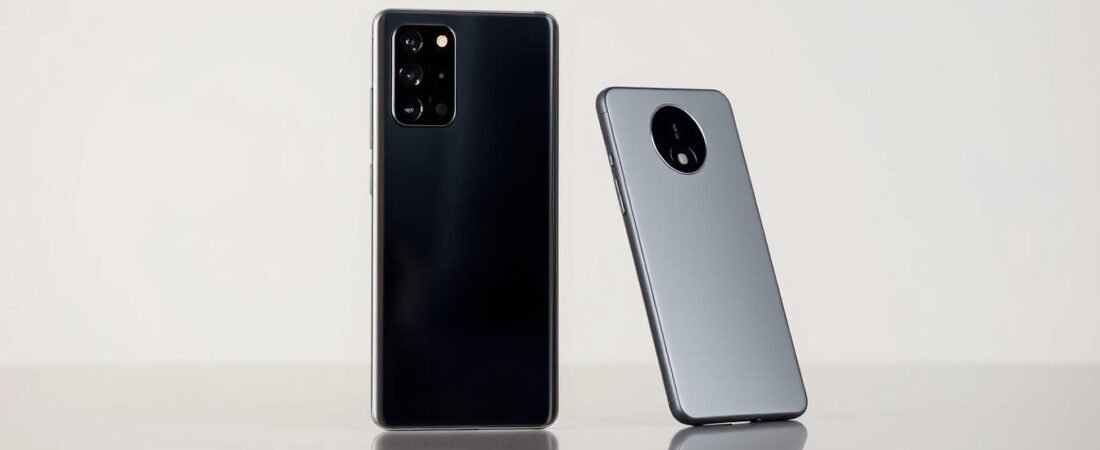
The smartphone world is buzzing with excitement over two new flagship devices. These compact powerhouses pack premium features and represent the best of their brands.
One device launched in January 2025, while the other hit the market earlier in 2024. Both offer cutting-edge technology, including advanced AI and high-performance hardware.
Tech enthusiasts, photographers, gamers, and everyday users will find both phones compelling. With starting prices nearly identical, the choice comes down to personal preference and specific needs.
This comparison will explore design, display, performance, camera capabilities, and battery life. Get ready to discover which of these top phones might be your perfect match!
Key Takeaways
- Two leading flagship smartphones are dominating the 2025 market
- Both devices feature compact designs with premium specifications
- Advanced AI capabilities and high-performance hardware are standard
- Pricing is nearly identical between these competitive models
- The comparison covers design, display, performance, camera, and battery
- Each phone appeals to different user preferences and needs
- Release dates differ slightly between these innovative devices
Introducing the 2025 Flagship Contenders
This year’s premium mobile market showcases an incredible duel between two engineering marvels in pocket-sized form. Both devices represent the pinnacle of their respective brands’ innovation, packing top-tier features into surprisingly compact bodies.
A Showdown of Compact Powerhouses
The galaxy s25 stands out with its remarkably sleek profile. Measuring just 146.9 x 70.5 x 7.2mm and weighing only 162g, it feels incredibly light yet premium. Its aluminum frame and Gorilla Glass Victus 2 construction provide both elegance and durability.
Meanwhile, the google pixel 9 offers a slightly larger presence at 152.8 x 72 x 8.5mm with a 198g weight. Despite its bigger dimensions, it maintains a refined, premium feel that Pixel users have come to love. The build quality matches its competitor with equally robust materials.
Color choices add personality to both devices. The samsung galaxy s25 comes in Silver Shadow, Navy, Icy Blue, and Mint options. The google pixel series counters with Obsidian, Porcelain, Wintergreen, and Peony finishes.
Setting the Stage for a Tight Race
The 2025 flagship race represents significant evolution from previous models. Both companies have refined their designs while enhancing functionality. The compact form factor makes a strong statement in a market dominated by larger phones.
These phones prove that portability doesn’t mean sacrificing power. Users who prefer one-handed operation will appreciate the thoughtful engineering behind both devices. The choice between them becomes increasingly difficult as both excel in different areas.
Durability features add to their appeal. Both models carry IP68 ratings, ensuring protection against water and dust. This reliability makes them perfect companions for everyday use in various environments.
The historical context shows how both brands have fiercely competed in the high-end segment. Each iteration brings improvements that push the boundaries of what’s possible in mobile technology. The hardware and system integration demonstrate remarkable engineering prowess.
This truly is a tight race where personal preference will likely determine the winner. As we move forward, we’ll explore how each device performs in specific areas like display quality, camera capabilities, and battery life. The competition has never been more exciting!
Head-to-Head: Galaxy S25 and Pixel 9 at a Glance
Let’s dive straight into the numbers that define these two premium smartphones. Understanding the core specifications helps reveal where each device shines and where they differ.
Key Specifications Comparison Table
| Feature | Galaxy S25 | Pixel 9 |
|---|---|---|
| Processor | Snapdragon 8 Elite | Tensor G4 |
| RAM | 12GB | 12GB |
| Storage Options | 128GB/256GB | 128GB/256GB |
| Battery Capacity | 4,000mAh | 4,700mAh |
| Starting Price | $800 | $799 |
The processor difference is significant. The Snapdragon 8 Elite focuses on raw performance power. Meanwhile, the Tensor G4 emphasizes AI capabilities and machine learning.
Both phones offer identical 12GB RAM configurations. This ensures smooth multitasking and app performance. Storage options match at 128GB and 256GB variants.
Battery capacity shows the biggest numerical difference. The 4,700mAh cell in one model suggests potentially longer endurance. The 4,000mAh battery in the other might require more frequent charging.
Price and Availability in the US Market
Pricing is nearly identical between these flagship phones. The base model starts at $800 for one device and $799 for the other. Higher storage tiers increase by $100 for both.
Both devices are widely available across the United States. Major carriers like Verizon, AT&T, and T-Mobile carry them. Online retailers and manufacturer websites also offer direct purchases.
Exclusive color options add personalization choices. The samsung galaxy s25 offers special finishes through their website. These include unique hues not available through carriers.
Remember that specifications tell only part of the story. Real-world performance can vary based on software optimization. Your personal usage patterns will ultimately determine which phone works best.
Consider your budget and storage needs when choosing. Both represent excellent value in the premium smartphone market. The close competition benefits consumers with more choices.
Design and Build: Refined Looks and Premium Feel
Premium materials and thoughtful engineering define the exterior experience of both devices. The attention to detail in construction speaks to their flagship status.
Materials, Durability, and IP Ratings
Both phones feature Gorilla Glass Victus 2 protection front and back. Aluminum frames provide structural integrity while maintaining lightweight profiles.
The IP68 rating ensures excellent water and dust resistance. This makes either device reliable for daily use in various conditions.
Dimensions, Weight, and In-Hand Feel
The galaxy s25 measures 146.9 x 70.5 x 7.2mm and weighs just 162g. Its compact form feels remarkably light and comfortable.
The google pixel series offers slightly larger dimensions at 152.8 x 72 x 8.5mm. At 198g, it provides a more substantial presence.
Rounded edges on one model contrast with the other’s distinctive design. This difference affects comfort during extended use.
Color options add personality to each device. Both brands offer stylish choices that reflect their design philosophies.
The samsung galaxy approach emphasizes sleek modernity. The other brand focuses on functional elegance.
Practical considerations matter for daily use. The smaller size offers better pocketability and one-handed operation.
Grip security varies between the two designs. Your personal preference will determine which feels better in your hand.
Build quality remains exceptional for both options. No compromises were made on the premium feel of either device.
Long-term satisfaction comes from these quality materials. The hardware construction ensures durability over years of use.
Ultimately, both phones excel in design and construction. Your choice may come down to size and weight preferences.
Display Showdown: Brightness, Color, and Smoothness
Your screen experience matters more than ever with these premium phones. Both deliver stunning visuals that make everything pop with life.
Whether you’re streaming movies or browsing photos, the display quality shines through. Let’s explore what makes each screen special.
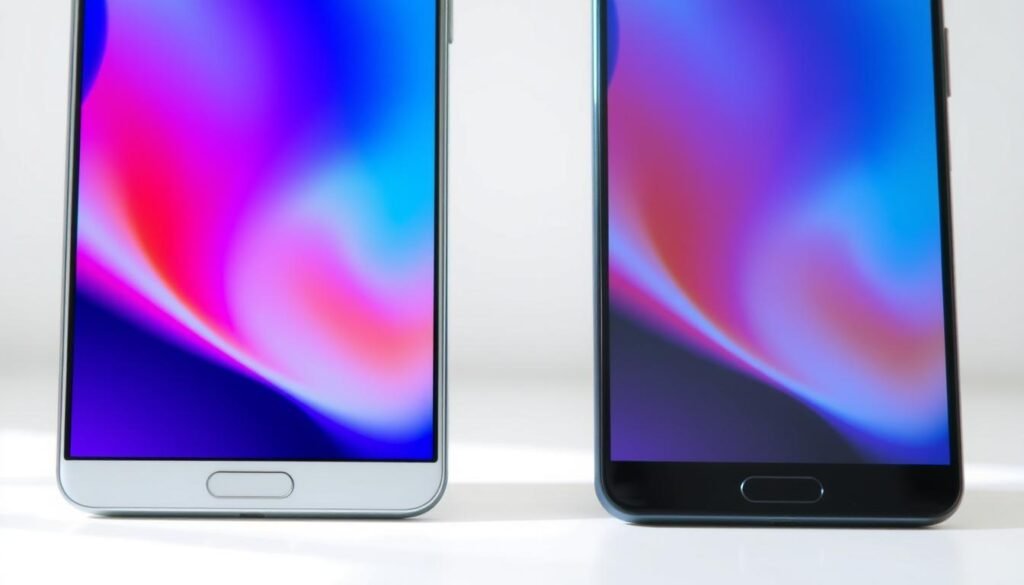
Screen Technology, Size, and Resolution
The galaxy s25 features a 6.2-inch Dynamic AMOLED 2X panel. Its 2340×1080 resolution delivers crisp details and vibrant colors.
The other device uses a 6.3-inch OLED display with 1080×2424 pixels. This gives it a slight size advantage for media consumption.
Both screens offer excellent color accuracy and deep black levels. The difference in technology brings unique characteristics to each experience.
Refresh Rate, Brightness, and Real-World Use
Both phones feature 120Hz refresh rates for buttery smooth scrolling. Games and animations feel incredibly fluid on either display.
Brightness levels impress with 2,600 nits on one model and 2,700 on the other. Outdoor visibility becomes excellent even in direct sunlight.
Real-world usage shows these displays excel in various scenarios:
- Streaming HDR content looks breathtaking on both screens
- Gaming benefits from the high refresh rate and quick response times
- Reading text remains clear and comfortable in any lighting condition
Ultrasonic fingerprint sensors built into the displays offer fast, reliable security. They work seamlessly without compromising screen quality.
| Display Feature | Galaxy S25 | Pixel 9 |
|---|---|---|
| Screen Technology | Dynamic AMOLED 2X | OLED |
| Size | 6.2 inches | 6.3 inches |
| Resolution | 2340×1080 pixels | 1080×2424 pixels |
| Refresh Rate | 120Hz | 120Hz |
| Peak Brightness | 2,600 nits | 2,700 nits |
| Fingerprint Sensor | Ultrasonic in-display | Ultrasonic in-display |
Color reproduction remains excellent across both panels. The samsung galaxy screen offers rich, saturated colors that pop beautifully.
The other display provides slightly higher peak brightness for better outdoor visibility. This small advantage helps when using your phone in bright environments.
These top-tier displays ensure satisfaction whether watching videos or working. Your content always looks its best with these premium screens.
Choosing between them comes down to personal preference. Both deliver exceptional quality that enhances your daily smartphone experience.
Performance and Software: Raw Power vs. AI Smarts
Under the hood, these phones reveal fascinating differences in how they approach computing power and intelligence. Both deliver excellent everyday performance but take distinct paths to achieve it.
Snapdragon 8 Elite for Galaxy vs. Tensor G4 Chipset
The galaxy s25 packs the Snapdragon 8 Elite processor. This chip focuses on raw performance for gaming and demanding applications.
Meanwhile, the google pixel series uses the Tensor G4 chipset. It prioritizes AI and machine learning tasks over pure processing muscle.
This fundamental difference affects how each device handles various tasks. Gamers might prefer one approach while AI enthusiasts choose the other.
RAM, Storage, and Real-World Speed
Both devices feature 12GB of RAM for smooth multitasking. This generous memory allocation ensures apps stay open and responsive.
Storage technology shows another important contrast. The samsung galaxy model uses faster UFS 4.0 storage versus UFS 3.1 in its competitor.
This affects app loading times and data access speeds. The difference becomes noticeable when transferring large files or loading complex games.
Android 15, One UI 7.0, and Pixel Software Experience
The galaxy s25 runs Android 15 with One UI 7.0 out of the box. This software offers extensive customization through Good Lock and themes.
The other device launches with Android 14 but upgrades to Android 15. Its clean, stock-like interface provides a pure Google experience with early feature updates.
Both systems include impressive AI capabilities. One uses Galaxy AI for photo editing and translation while the other employs Gemini for similar tasks.
The Long-Term Promise: 7 Years of Updates
Both manufacturers commit to seven years of OS updates and security patches. This unprecedented support ensures your investment remains protected far into the future.
Update timelines vary slightly between the two. Google devices typically receive Android versions sooner, but Samsung has dramatically improved its update speed.
This long-term support represents a major shift in smartphone sustainability. Your device will stay current through multiple upgrade cycles.
Everyday tasks feel effortless on either phone. The choice ultimately depends on whether you prioritize peak performance or AI integration. Both deliver exceptional experiences that will satisfy most users for years to come.
Battery Life and Charging: Endurance and Speed
Power management becomes crucial when choosing your perfect companion. Both devices handle energy differently, offering unique advantages for various lifestyles.
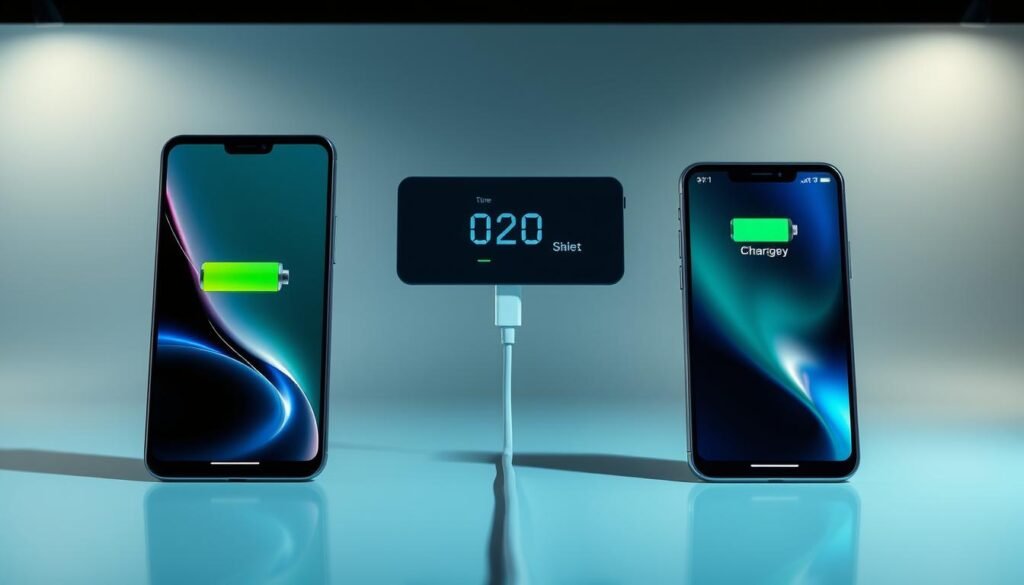
Capacity (mAh) and Estimated Daily Use
The galaxy s25 packs a 4,000mAh battery. Its competitor features a larger 4,700mAh cell. This difference suggests varied endurance during daily use.
Most users will enjoy all-day performance from either phone. Moderate usage patterns include:
- Several hours of screen time
- Social media browsing and messaging
- Occasional photography and video recording
Heavier tasks like gaming or navigation might drain power faster. The larger capacity model could last longer during travel adventures.
Wired and Wireless Charging Speeds Compared
Both phones support fast wired and wireless charging. The samsung galaxy model offers 25W wired and 15W wireless speeds.
Its rival provides 27W wired charging and 15W wireless with compatible accessories. This slight advantage means quicker top-ups when you’re in a hurry.
Reverse wireless charging works on both devices. You can power up earbuds or other small gadgets directly from your phone.
Software optimization plays a key role in battery health. Both systems include smart features that learn your usage patterns.
Charge limiting helps preserve long-term battery capacity. This thoughtful addition extends your device‘s lifespan significantly.
While neither leads in charging technology, both deliver reliable performance. Your choice depends on whether you prioritize maximum endurance or slightly faster refills.
Camera Comparison: Versatility Meets Computational Magic
Photography enthusiasts face an exciting choice between two distinct approaches to mobile imaging. One offers traditional optical excellence while the other pioneers computational innovation.
Both deliver stunning results but achieve them through different philosophies. Your preference will determine which system feels more magical to you.
Main, Ultrawide, and Telephoto Sensors
The galaxy s25 features a versatile triple-camera setup. It includes a 50MP main sensor, 12MP ultrawide, and 10MP 3x telephoto lens.
This configuration provides true optical zoom capabilities. You can capture distant subjects without sacrificing image quality.
The competing google pixel uses a dual-camera system. Its 50MP main and 48MP ultrawide sensors rely on advanced computational techniques.
This fundamental difference affects how each device handles various shooting scenarios. Optical versus digital approaches create distinct photographic experiences.
Photo and Video Capabilities: Pro Mode vs. AI
The samsung galaxy approach excels with manual controls through Pro mode. Photography enthusiasts appreciate the creative freedom this offers.
It also supports 8K video recording for content creators. This high-resolution capability captures incredible detail for professional projects.
Meanwhile, the other model focuses on AI-powered simplicity. Features like Magic Editor and Best Take make editing photos effortless for casual users.
Its 4K video recording includes Video Boost for cloud-enhanced quality. This processing magic improves footage automatically after capture.
Both cameras perform excellently in low-light conditions. They just use different methods to achieve their impressive results.
Front-Facing Camera for Selfies and Video Calls
Selfie enthusiasts will notice another significant contrast. The google pixel boasts a 42MP front camera versus 12MP on its competitor.
This higher resolution captures more detail for self-portraits and video calls. Your video conferences will look crisper and more professional.
The galaxy s25 still delivers excellent front-facing results. Its 12MP sensor produces clean, well-balanced selfies that satisfy most users.
Choosing between these top camera systems depends on your photography style. Optical zoom and manual controls appeal to traditional photographers.
AI-powered simplicity and computational magic attract casual users. Both approaches deliver outstanding photos that will impress your friends and followers.
Your personal preference ultimately determines the winner here. Either way, you’re getting one of the best mobile cameras available today.
Which Phone is Right For You?
Making the final decision between these two excellent devices can feel challenging. Both offer premium experiences but cater to different user preferences and needs.
Your personal usage habits and priorities will guide your perfect choice. Consider what matters most in your daily smartphone experience.
Choosing the Samsung Galaxy S25
The galaxy s25 stands out for users who demand top-tier performance. Its Snapdragon 8 Elite processor delivers exceptional speed for gaming and multitasking.
Photography enthusiasts will appreciate the versatile triple-camera system. The telephoto lens provides true optical zoom for capturing distant subjects clearly.
Customization lovers enjoy the extensive options available through One UI. You can personalize nearly every aspect of your device’s appearance and functionality.
The compact design and lightweight build make it ideal for one-handed use. Portability doesn’t come at the expense of power or features.
Long-term value comes from seven years of software updates and security patches. Your investment remains protected and current for years to come.
Choosing the Google Pixel 9
The google pixel series excels with its advanced AI capabilities. The Tensor G4 chipset focuses on machine learning and smart features.
Computational photography creates stunning images with minimal effort. Magic Editor and other AI tools make photo editing simple and fun.
The brighter display offers excellent visibility in outdoor conditions. You’ll enjoy clear viewing even in direct sunlight.
Budget-conscious buyers may find better value through frequent discounts. The initial price difference grows with promotional offers.
Earlier software updates provide access to new features sooner. Google’s clean Android experience appeals to purists.
| User Profile | Recommended Choice | Key Reasons |
|---|---|---|
| Gamers & Power Users | Galaxy S25 | Superior raw performance, faster storage |
| Photography Enthusiasts | Galaxy S25 | Telephoto camera, manual controls |
| AI & Simplicity Lovers | Pixel 9 | Computational photography, clean interface |
| Budget-Conscious Buyers | Pixel 9 | Frequent discounts, long-term value |
| Outdoor Users | Pixel 9 | Brighter display, better sunlight visibility |
Consider your daily activities when making your final decision. Do you frequently use optical zoom or prefer AI-enhanced photos?
Think about your budget over time rather than just the initial price. Both phones represent excellent value in their own ways.
Remember that there’s no wrong choice between these flagship devices. Each offers a top-tier experience tailored to different preferences.
Your perfect phone awaits based on what matters most in your digital life. Both the samsung galaxy and competing series deliver outstanding performance.
Conclusion
Choosing between these two excellent flagship phones comes down to personal priorities. The samsung galaxy s25 delivers unmatched performance and versatile camera capabilities.
Its competitor shines with brilliant AI features and display quality. Both promise seven years of updates, ensuring your phone stays current for a long time.
This is truly a top-tier choice between power and intelligence. The galaxy s25 suits gamers and photography enthusiasts perfectly.
The other model appeals to those valuing smart features and value. You can’t go wrong with either of these premium devices.
Share your thoughts about which phone you’d choose! Both represent the best of modern mobile innovation.
FAQ
Which phone has better battery life?
Both phones offer strong battery performance, but the Galaxy S25 may have a slight edge due to its optimized Snapdragon chipset. The Pixel 9 relies on Google’s Tensor efficiency, which is great for everyday tasks. Your usage patterns will determine which lasts longer for you.
Is the camera better on the Samsung or the Google device?
It depends on your preference! The Galaxy S25 excels in versatility with its pro mode and zoom capabilities. The Pixel 9 shines with computational photography and AI-enhanced photos. If you love manual control, go Samsung; for point-and-shoot brilliance, choose Google.
Do both phones support fast charging?
A> Yes, each flagship supports rapid wired and wireless charging. The Galaxy S25 typically offers slightly faster wired speeds, while the Pixel 9 provides consistent and reliable charging with its adaptive battery management.
How long will each phone receive software updates?
Google promises 7 years of updates for the Pixel 9, matching Samsung’s commitment for the Galaxy S25. Both brands now offer long-term support, so you can expect your device to stay current and secure for years to come.
Which one is better for gaming?
The Galaxy S25, with its Snapdragon 8 Elite chipset, generally delivers higher peak performance for intensive gaming. The Pixel 9 handles most games well too, but hardcore gamers might prefer the raw power and thermal management of the Samsung model.
Are the displays similar in quality?
Both have top-tier screens! The Galaxy S25 often boasts higher brightness and vibrant colors, ideal for outdoor use. The Pixel 9 display is beautifully calibrated and smooth, with a 120Hz refresh rate for buttery visuals. You’ll love either, but brightness might sway you to Samsung.