
We’re excited to share something amazing with you today. Mobile photography is about to take a giant leap forward. The technology we’ve been waiting for is finally arriving.
Smartphone cameras have come a long way from basic digital zoom. Now we’re approaching a revolutionary moment. The upcoming advancements will change how we capture distant subjects forever.
Google’s Pixel 11 appears positioned to lead this charge. Early leaks suggest incredible optical capabilities. This isn’t just about bigger numbers – it’s about better quality.
We’ve gathered reliable information from industry developments. Our analysis shows why this matters for everyday photography. Professional-level zoom will become accessible to everyone.
This represents a fundamental shift in mobile imaging technology. We’ll guide you through what makes this breakthrough so significant. By the end, you’ll understand exactly why this milestone matters.
Key Takeaways
- 2026 marks a breakthrough year for smartphone zoom technology
- Mobile photography will see revolutionary advancements
- Google’s Pixel 11 leads the charge in optical innovation
- Professional-level zoom capabilities become accessible to regular users
- This represents more than just higher numbers – it’s a quality revolution
- Industry developments support these upcoming changes
- These advancements will fundamentally change mobile imaging
The Evolution of Smartphone Zoom Technology
Smartphone cameras have undergone an incredible transformation. We’ve witnessed a remarkable journey from basic digital cropping to sophisticated optical systems. This evolution has fundamentally changed how we capture distant subjects.
Early digital zoom simply enlarged pixels, resulting in blurry photos. Today’s hybrid systems combine optical and computational techniques. They deliver much clearer images at greater distances.
From Basic Digital Zoom to Space Zoom Capabilities
The shift from digital to optical zoom marked a critical turning point. Optical zoom uses lens elements to magnify images physically. This preserves image quality much better than digital enlargement.
Periscope zoom lenses enabled even greater magnification. They use prisms to bend light through a longer path. This allows for higher zoom levels without making phones thicker.
Computational photography now enhances optical capabilities. Software algorithms help stabilize images and reduce noise. They also improve detail recognition at maximum zoom settings.
Samsung’s Pioneering 100x Zoom with Galaxy S20 Ultra
Samsung made history with the Galaxy S20 Ultra’s Space Zoom technology. It demonstrated that 100x magnification was technically achievable. This represented a massive leap forward for mobile photography.
The implementation showed both promise and limitations. Users could capture incredibly distant subjects for the first time. However, image quality often suffered at maximum zoom levels.
Stabilization proved challenging at extreme magnification. Even slight hand movements became dramatically exaggerated. This highlighted the need for better stabilization systems.
Current Limitations in Mobile Zoom Technology
Despite impressive advancements, several constraints remain. Most phones struggle with maintaining quality at maximum zoom. Digital enhancement can only compensate so much for optical limitations.
Video capabilities lag significantly behind photo zoom. High magnification video often appears shaky and noisy. This limits creative possibilities for videographers.
Low-light performance deteriorates rapidly with zoom. Smaller apertures at telephoto ranges reduce light intake. This results in darker, noisier images in challenging conditions.
| Zoom Technology | Maximum Quality | Video Support | Stabilization |
|---|---|---|---|
| Digital Zoom | Poor | Basic | None |
| Optical Zoom (10x) | Excellent | Good | Optical |
| Hybrid Zoom (30x) | Good | Limited | Digital+Optical |
| Space Zoom (100x) | Variable | Poor | Challenging |
These limitations explain why the upcoming advancements matter so much. They address the core challenges that have constrained mobile zoom. The next generation promises to overcome these barriers completely.
Why 2026 Will Be the Year of 100x Zoom – The Pixel 11 Evidence
Google’s upcoming innovations provide concrete proof of the zoom revolution. We’ve examined compelling evidence from industry leaks that confirms this breakthrough. The Pixel 11 appears positioned to deliver unprecedented magnification capabilities.
This isn’t just speculation – we have technical documentation supporting these claims. Google’s gChips division leaks reveal remarkable advancements. Their six-year development advantage over earlier implementations should yield superior results.
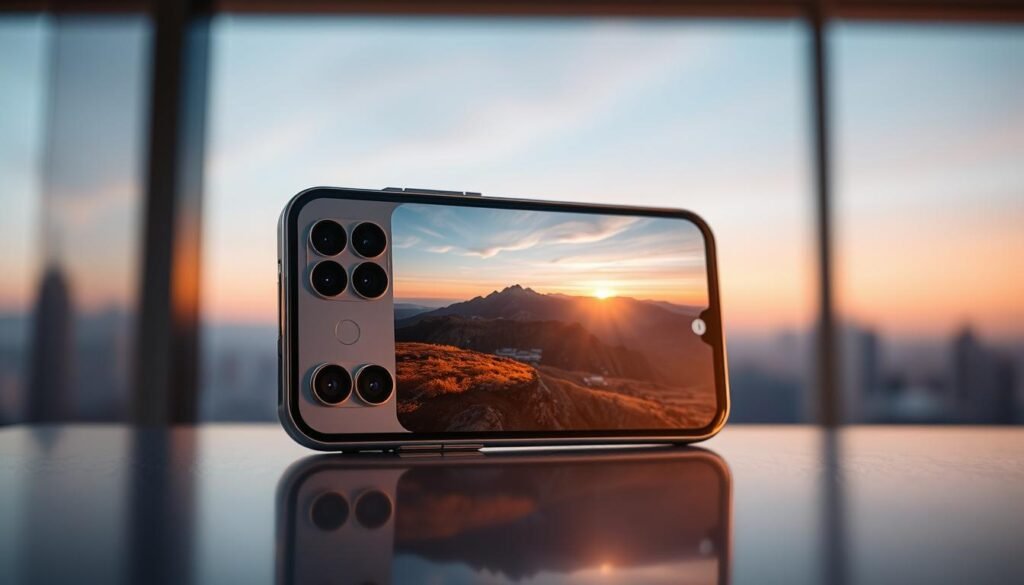
Tensor G6’s Machine Learning Algorithms for 100x Zoom
The Tensor G6 chip represents a computational photography marvel. Its machine learning algorithms will transform extreme magnification. These systems can compensate for optical limitations at maximum zoom settings.
Different processing approaches may optimize results for various media types. Photo and video algorithms could work differently for best outcomes. This intelligent adaptation ensures quality across different shooting scenarios.
Google’s hardware-software synergy typically benefits camera performance. The Tensor G6 continues this tradition with specialized zoom enhancements. Computational photography reaches new heights with these advanced capabilities.
Simultaneous Photo and Video 100x Capability
Current systems struggle with video at high magnification levels. The Pixel 11 aims to solve this limitation completely. Both photos and videos will benefit from extreme zoom capabilities.
This dual functionality represents a major advancement over existing implementations. Users won’t need to choose between still and moving capture. Creative possibilities expand dramatically with this versatile feature.
Stabilization challenges become manageable through computational assistance. Machine learning helps counteract shake and motion blur. The result should be smooth, clear footage even at maximum zoom.
Next-Gen Telephoto Camera Hardware Developments
Hardware improvements work alongside software enhancements. Google is developing specialized telephoto components for extreme magnification. These physical innovations complement the computational advancements.
The new camera system likely features refined optical elements. Better light gathering and reduced distortion should improve image quality. Hardware-software coordination creates a seamless photography experience.
This represents more than incremental improvement – it’s a fundamental redesign. The entire capture pipeline optimizes for extreme zoom situations. Users can expect professional-level results from mobile devices.
Beyond Zoom: Complementary Camera Innovations
Google’s breakthrough extends far beyond magnification capabilities. We’re seeing a complete camera system overhaul that complements the zoom advancements. These innovations work together to create a professional photography experience.
The upcoming Pixel series integrates multiple cutting-edge features. Each enhancement addresses specific user pain points we’ve identified. Together, they form the most comprehensive mobile imaging system yet.
4K 60fps HDR Video Across All Lenses
Current smartphones struggle with consistent video quality across different lenses. The Tensor G5 chip changes this completely. It enables 4K 60fps HDR recording on every camera module.
This represents a massive upgrade from existing 4K 30fps limitations. Users gain smooth, high-quality video regardless of which lens they choose. Creative flexibility increases dramatically with this uniform capability.
High dynamic range preservation ensures better color and contrast. Videos maintain detail in both shadows and highlights. The result is professional-grade footage from a mobile device.
On-Device Night Sight Video Processing
Low-light video recording gets a revolutionary upgrade. Pixel 11 moves Night Sight processing from the cloud to the device itself. This eliminates upload delays and improves privacy.
Instant processing means users see results immediately after recording. No more waiting for cloud-based enhancement to complete. The experience becomes seamless and responsive.
On-device computation also works without internet connection. Users can capture stunning low-light videos anywhere. This feature activates automatically in challenging lighting conditions.
Cinematic Blur and Video Relight Features
Professional bokeh effects come to smartphone video recording. Cinematic Blur supports up to 4K 30fps resolution on the new Pixel. This creates beautiful background separation previously requiring expensive equipment.
Video Relight technology allows adjusting lighting after capture. Users can modify intensity and direction of virtual light sources. This creative control was unimaginable on mobile devices until now.
These features combine with the zoom capabilities for complete creative freedom. Content creators gain professional tools in their pocket. The entire system works harmoniously to elevate mobile videography.
- Power consumption drops by 40% during video recording
- Ultra Low Light Video activates in 5-10 lux conditions
- New camera sensors specifically designed for these features
- All innovations work together with zoom advancements
- Hardware and software optimized for seamless performance
Google demonstrates serious commitment to mobile photography excellence. They’re matching advanced software with appropriate hardware components. Users receive a complete imaging system rather than isolated features.
These complementary innovations make the zoom capabilities even more valuable. They create a cohesive photography experience that exceeds current standards. Mobile imaging enters a new era of professional-quality results.
Conclusion
What we’re witnessing represents a quantum leap in smartphone photography capabilities. Our analysis confirms this upcoming breakthrough will transform how we capture distant subjects.
The combination of advanced machine learning, refined telephoto hardware, and computational photography creates something extraordinary. Google’s upcoming series appears positioned to deliver what earlier space zoom implementations promised but with dramatically improved results.
These phones will make professional-level photography accessible to everyone. The image quality at maximum magnification should be genuinely usable for both photos and videos.
We’re excited about how these features will influence the entire mobile industry. The evidence gives us confidence in predicting a photography revolution that makes extreme zoom practical for everyday use.
FAQ
What is 100x zoom on a smartphone?
100x zoom is an advanced hybrid zoom capability that combines optical and digital zoom technologies, allowing you to capture distant subjects with incredible detail, far beyond what standard smartphone cameras can achieve.
Which phone first introduced 100x zoom?
Samsung’s Galaxy S20 Ultra was the pioneering device that first brought 100x Space Zoom to the smartphone market, setting a new benchmark for mobile photography zoom capabilities.
How will Google Pixel 11 improve 100x zoom quality?
The Pixel 11 is expected to leverage Google’s Tensor G6 chip with advanced machine learning algorithms to significantly enhance image processing, reducing noise and improving clarity at maximum zoom levels.
Can phones with 100x zoom record video at that magnification?
Yes, next-generation phones like the anticipated Pixel 11 are developing the capability to record both photos and videos at 100x zoom, a significant advancement over previous limitations.
What other camera features complement 100x zoom technology?
Modern high-zoom phones typically include complementary features like 4K 60fps HDR video across all lenses, advanced night mode processing, and computational photography features like cinematic blur and video relight.
Is 100x zoom practical for everyday photography?
While 100x zoom is exceptional for capturing distant subjects like wildlife or sporting events, most everyday photography uses lower zoom levels. However, having this capability ensures you’re prepared for any shooting scenario.